



tokyo
この記事は現在、英語版のみの公開です。
Rain in Tokyo doesn't mean a day indoors at the hotel. The city's indoor attractions are world-class, stroller-friendly, and designed to hold children's attention for hours. Whether you're caught in June's rainy season or an unexpected downpour, Tokyo offers immersive art, marine life, dinosaur skeletons, and entire shopping complexes you never need to leave. Here's how to plan a rainy day that children will remember.
Start with immersive art at teamLab Planets
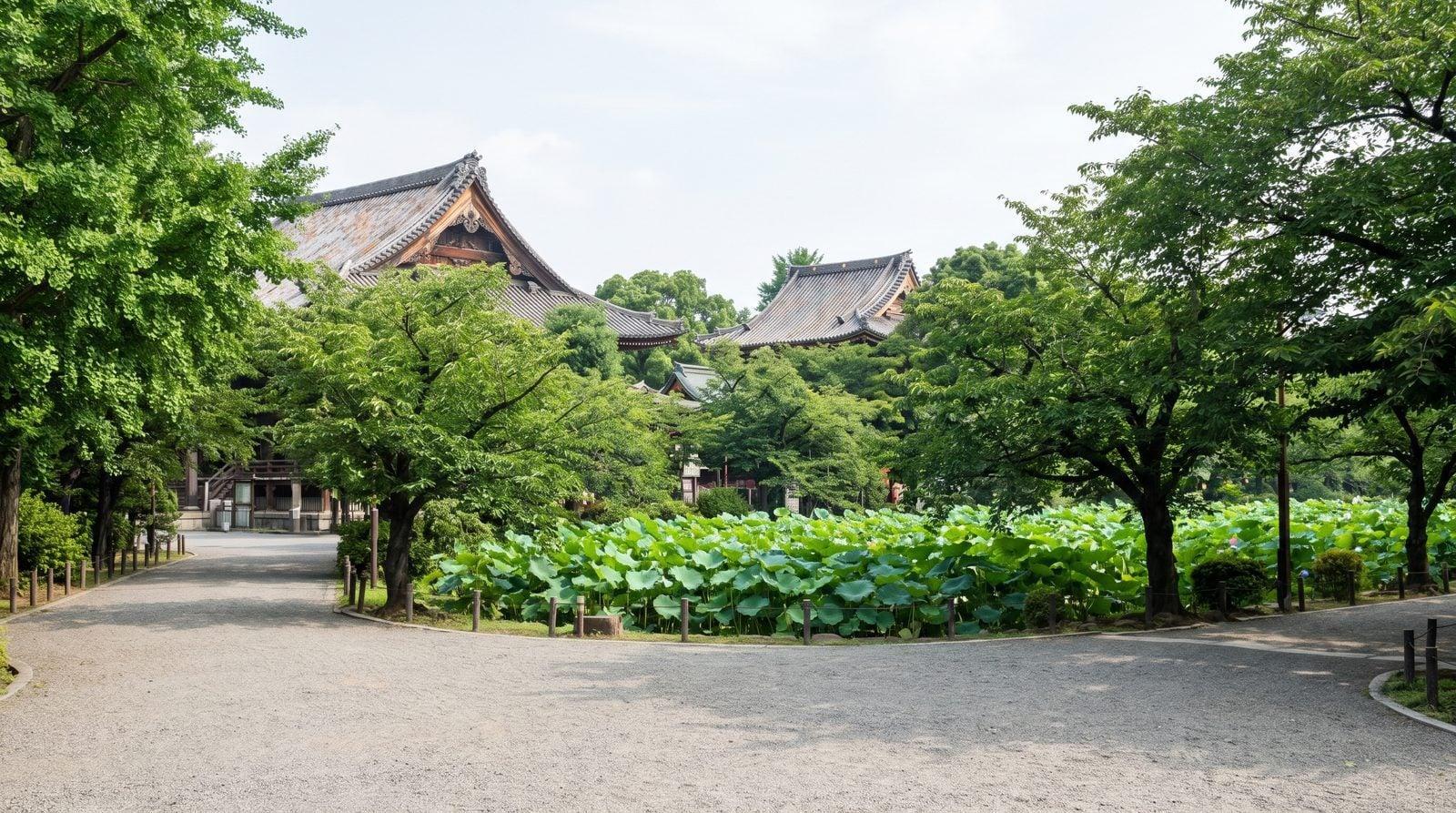
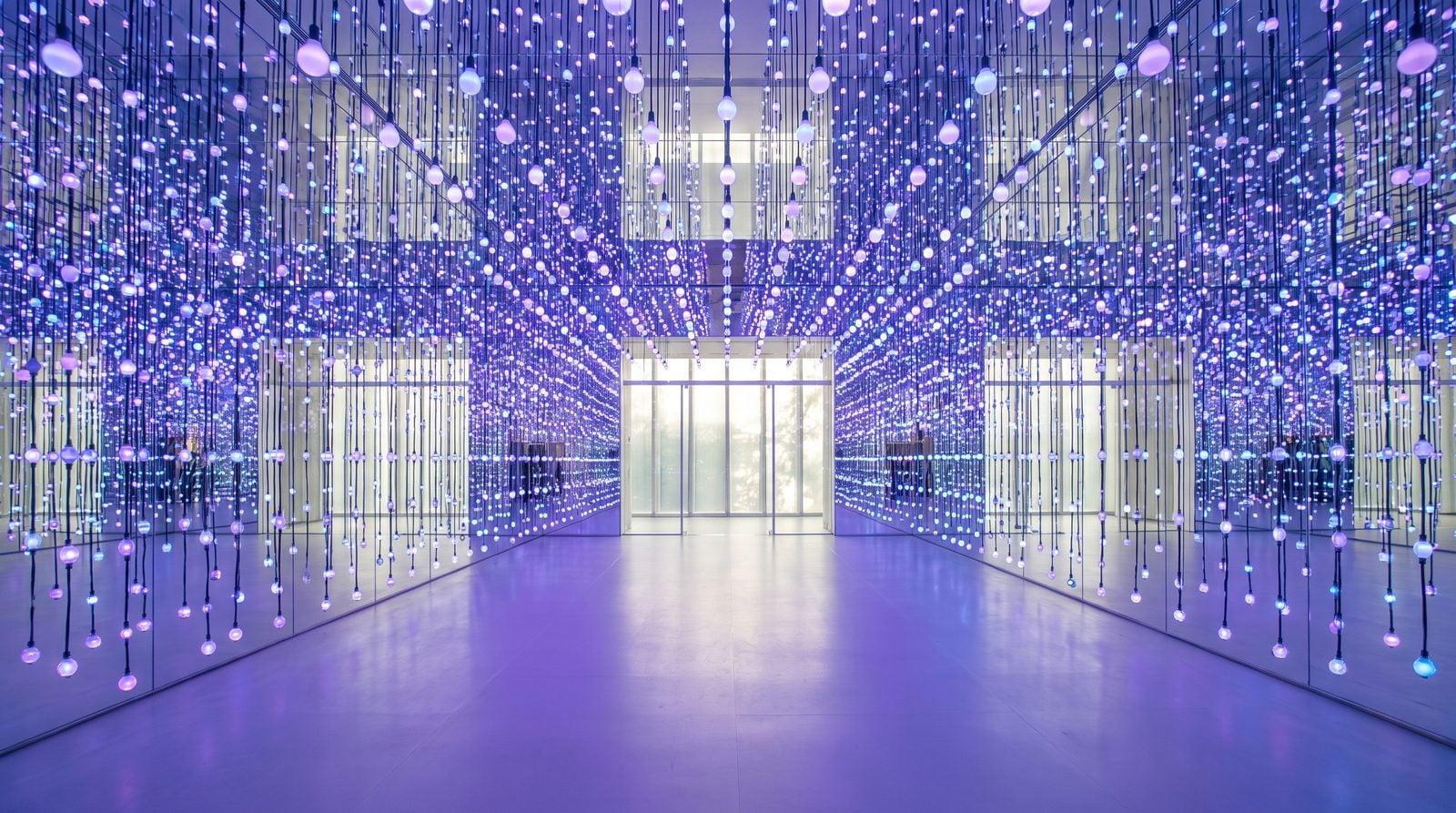
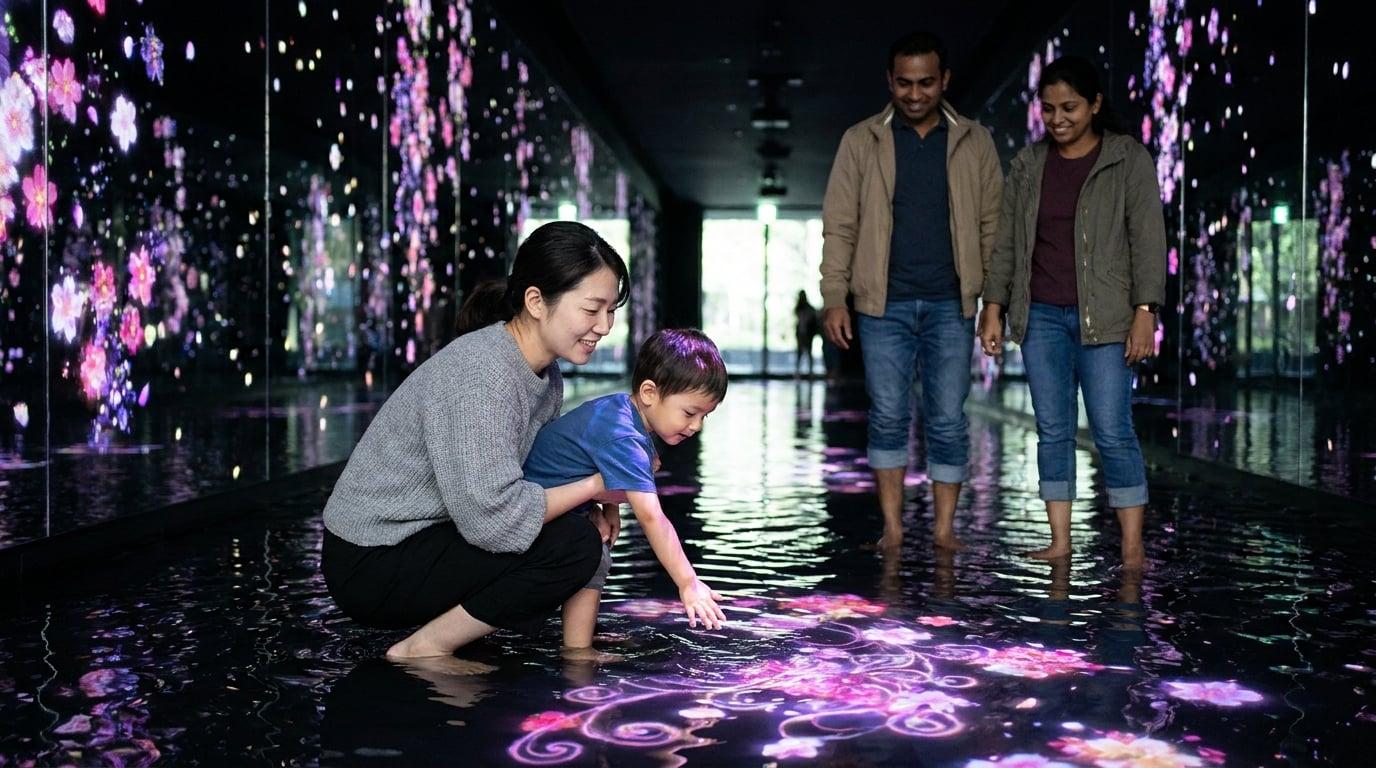
teamLab Planets in Toyosu is an entirely indoor digital-art museum where visitors walk barefoot through water, mirrored rooms, and interactive light installations. The experience is physical rather than passive, which is why it works so well with children who need to move. You wade through knee-deep water, touch projections that respond to your presence, and walk beneath cascading digital flowers. The installations are separate from one another, giving each room a clear beginning and end—helpful when managing younger attention spans.
Children under three enter free. Expect to spend between one and two hours inside, depending on how long your children linger in each space. Book tickets online in advance, as walk-up entry is rarely available. The museum provides towels after the water rooms, and you can rent shorts if needed, though sizes for very young children are limited. Wear clothing that can be rolled up above the knee, and avoid skirts due to the mirrored surfaces.
The museum sits a minute's walk from Shin-Toyosu Station on the Yurikamome Line, making it easy to pair with other indoor stops in the area.
[[image:1]]
Watch penguins at Sumida Aquarium
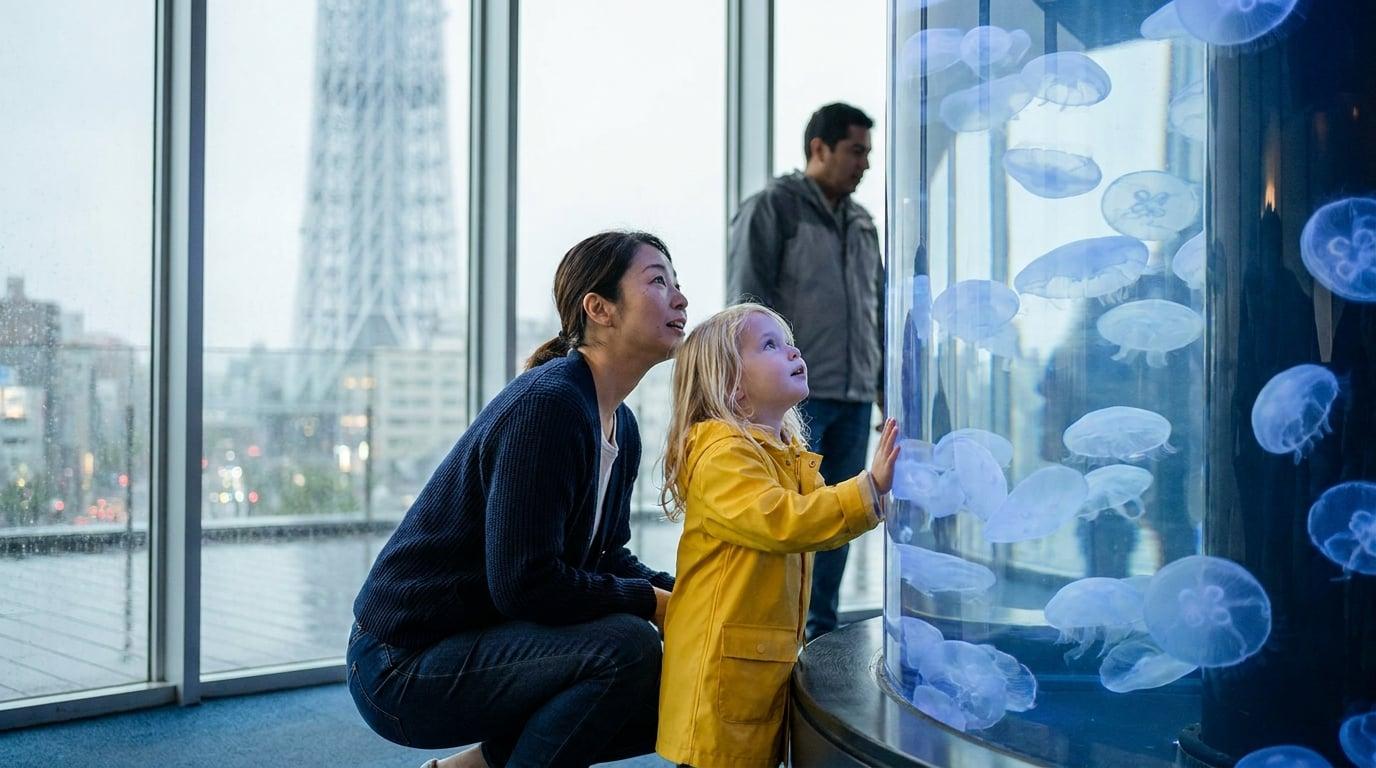
Sumida Aquarium occupies the fifth and sixth floors of Tokyo Skytree Town, making it completely sheltered from the weather. The aquarium is compact—most families complete the circuit in sixty to ninety minutes—but the layout keeps sightlines open, so even toddlers can see into the tanks without being lifted. The large indoor penguin pool is the main draw, with viewing from multiple levels. Jellyfish drift through backlit tanks, and the spotted garden eels are a quiet favourite with younger children.
The aquarium's location inside the Skytree Town complex means you can move seamlessly between the aquarium, the surrounding shops, and the food court without stepping outside. Children under three enter free. Combination tickets with the Skytree observation deck are available if the weather clears later in the day, though the aquarium alone is enough for a satisfying visit.
Access is straightforward: Tokyo Skytree Station and Oshiage Station both connect directly to the complex. Lifts and wide corridors make stroller access easy throughout.
Explore dinosaurs and science at the National Museum of Nature and Science
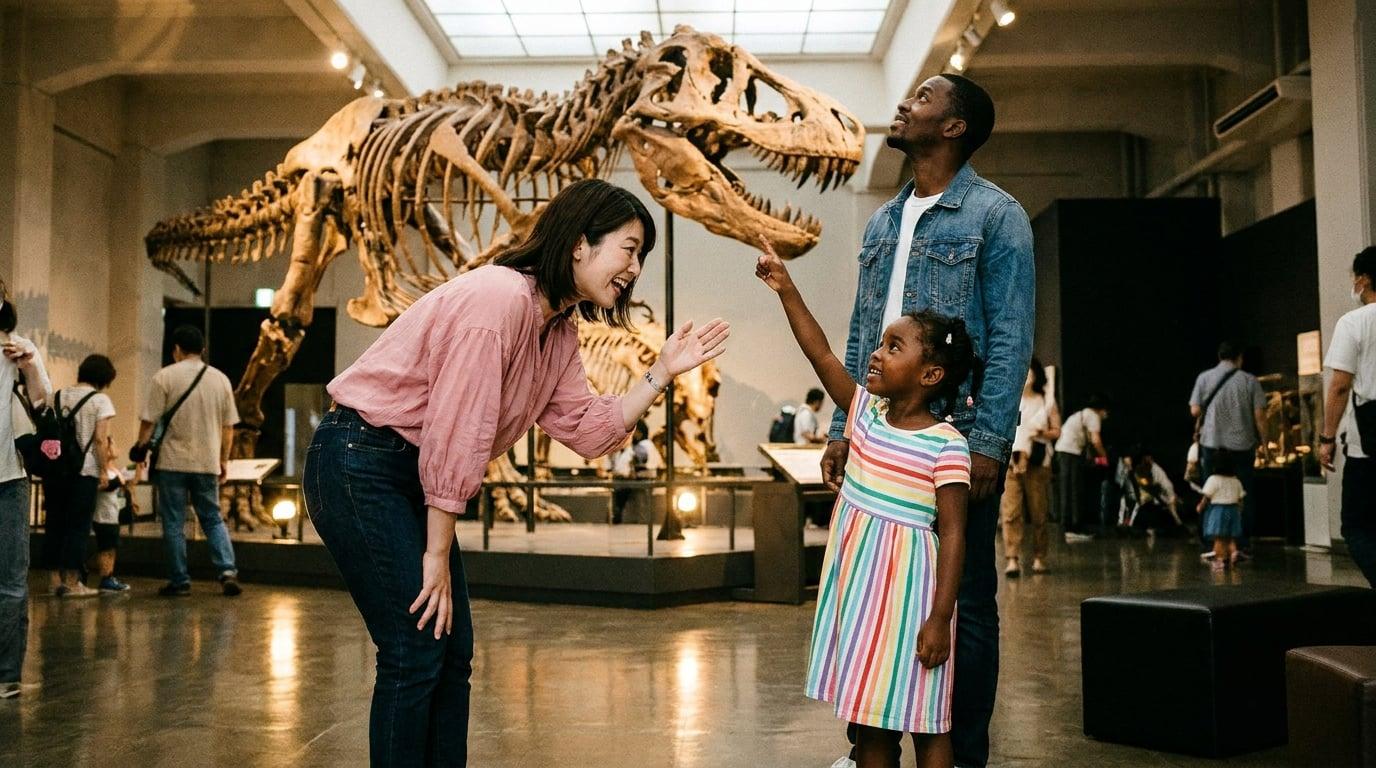
The National Museum of Nature and Science in Ueno Park is one of Tokyo's best-value family destinations. Children through high-school age enter free; adults pay a modest fee. The museum spans two buildings—the Global Gallery and the Japan Gallery—with dinosaur skeletons, fossils, taxidermy displays, and hands-on exhibits spread across multiple floors. Budget at least two hours, though families with school-age children often stay longer.
The dinosaur fossils in the basement of the Global Gallery are the main attraction for most children. The Japan Gallery, housed in a 1931 building with a stained-glass dome, covers Japan's natural history and scientific heritage. ComPaSS, a dedicated play area for children aged four to six, requires a separate timed reservation and fills quickly on rainy days—book ahead if your child falls within that age range.
The museum sits five minutes on foot from JR Ueno Station's Park Exit. Ueno Park itself offers covered walkways and nearby cafés, so you can extend the day in the neighbourhood even in steady rain. The museum has a café and restaurant on-site, and Ueno's restaurant district is a short covered walk away.
[[image:2]]
Head to Odaiba's covered complexes
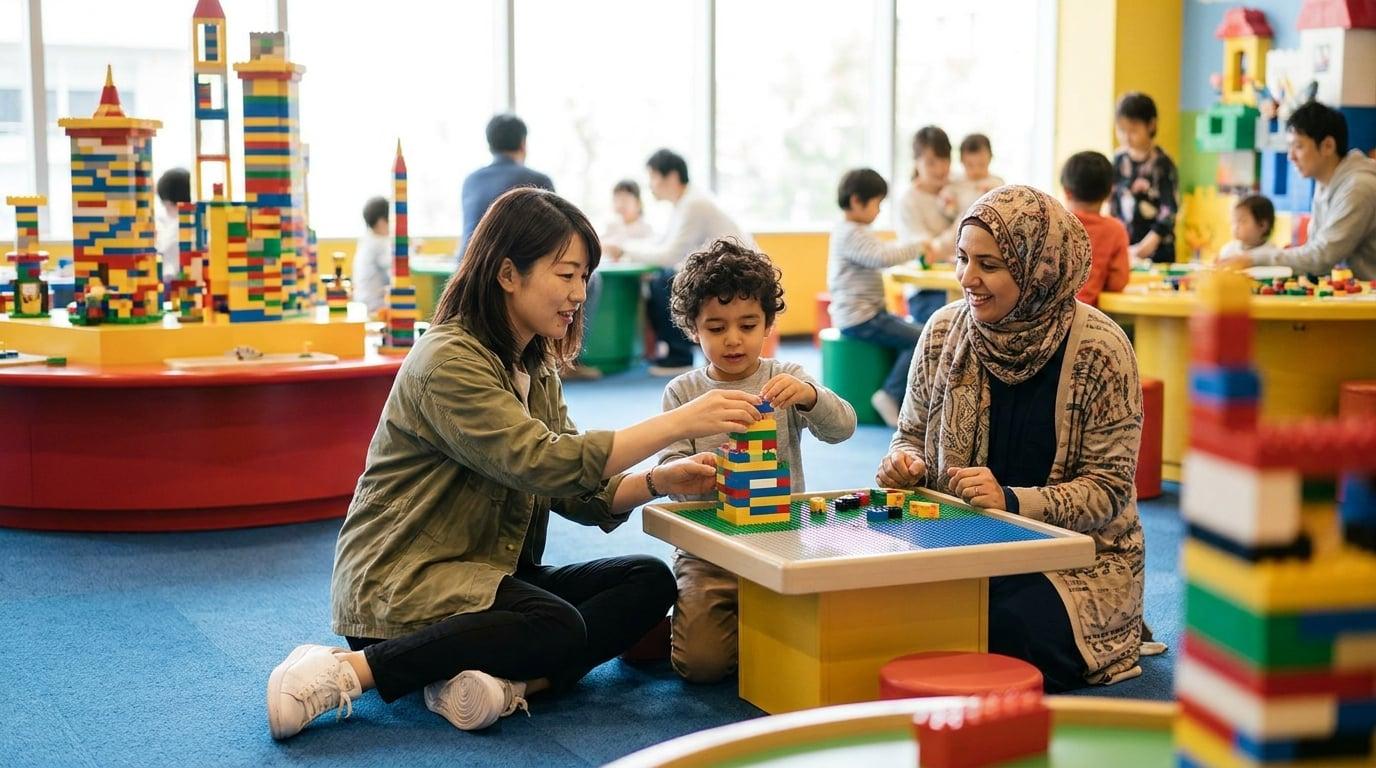
Odaiba, the reclaimed island in Tokyo Bay, is built for weather independence. The district's shopping malls—DiverCity Tokyo Plaza, Aqua City Odaiba, and DECKS Tokyo Beach—are connected by covered walkways and house multiple indoor attractions. LEGOLAND Discovery Center Tokyo, inside DECKS, is an indoor LEGO-themed play centre with rides, a 4D cinema, and build zones. It works best for children aged three to ten. Tokyo Joypolis, also in DECKS, is Japan's largest indoor theme park, with VR rides, arcade games, and attractions suited to older children and teenagers.
The Yurikamome Line, a driverless elevated train, crosses the Rainbow Bridge and serves every major stop in Odaiba. Sit at the front for the best view, even in rain. The train connects directly to indoor mall entrances, so you can move between attractions without getting wet. Food courts in each complex offer everything from ramen to family-friendly chain restaurants, and several have dedicated nursing rooms and play corners for younger children.
Odaiba's layout—flat, stroller-friendly, and designed around covered spaces—makes it one of Tokyo's most reliable rainy-day districts for families.
How a local nanny helps here
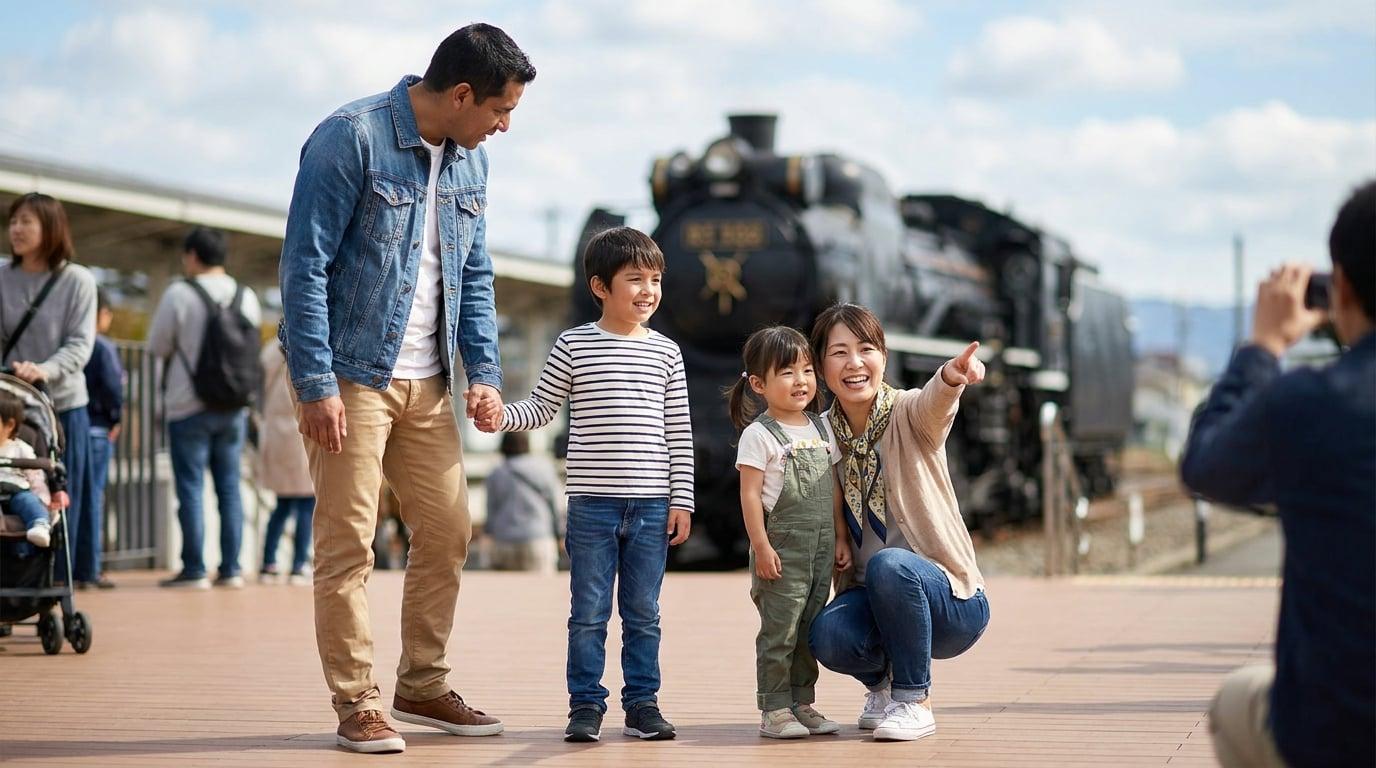
Navigating Tokyo's train system with wet strollers, tired children, and timed-entry tickets requires coordination that can exhaust even experienced travellers. A local nanny from The Travel Nanny knows which museum entrances have lift access, how to keep toddlers entertained during station transfers, and when to take a break before meltdowns happen. She can also manage ticket bookings, carry rain gear, and help you adjust the day's plan if your child needs a slower pace or an earlier finish.
[[image:3]]
Pack for the day
Rain in Tokyo means humidity, crowded stations, and wet floors in museum entrance halls. A small daypack should include a compact umbrella for each adult, a lightweight rain jacket for each child, and a waterproof cover for your stroller if you're bringing one. Many indoor attractions provide umbrella storage at the entrance, but you'll need your own for the walk between the station and the building.
Bring a change of socks for younger children—museum floors can be damp near entrances, and wet socks make everyone miserable. A refillable water bottle, a few snacks, and a small hand towel will cover most situations. Most museums and malls have coin lockers if you need to store bags or wet outerwear during your visit.
Closing checklist: rainy-day essentials
- Book timed-entry tickets for teamLab Planets and ComPaSS (at the National Museum of Nature and Science) at least a few days ahead.
- Check whether Miraikan in Odaiba is open—it is closed for refurbishment until April 2027.
- Wear shoes that dry quickly and clothing that can be rolled up if visiting teamLab Planets.
- Arrive at Sumida Aquarium or the National Museum of Nature and Science shortly after opening to avoid the midday crowds that gather on rainy days.
- Plan your route around covered train-station exits—Tokyo Skytree Town, Ueno, and Odaiba all have direct indoor access from their nearest stations.
- Pack a small towel, a change of socks for children, and a waterproof stroller cover.
- Allow extra time for station transfers on rainy days, when platforms and ticket gates are more crowded than usual.